Sample text
Good health is the foundation of human development. TEDA works with communities, schools, health facilities, and local governments to improve health outcomes through preventive healthcare, Water, Sanitation and Hygiene (WASH), health education, nutrition, and community-led action. Our integrated approach empowers individuals and families to adopt healthy behaviours, prevent disease, and build resilient communities where everyone can thrive.
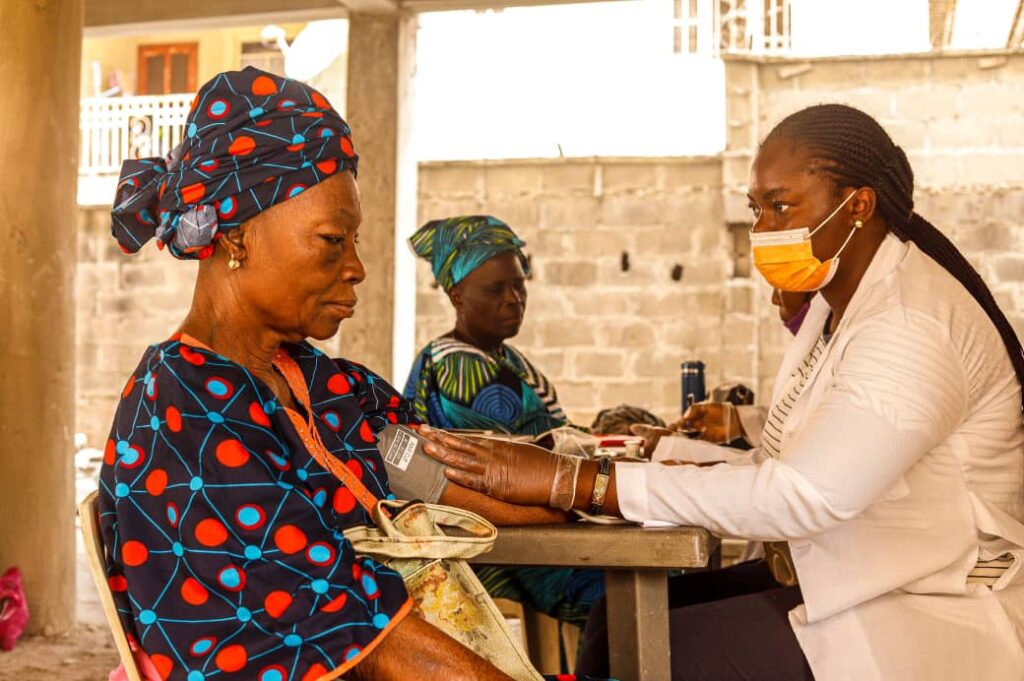
Our Focus
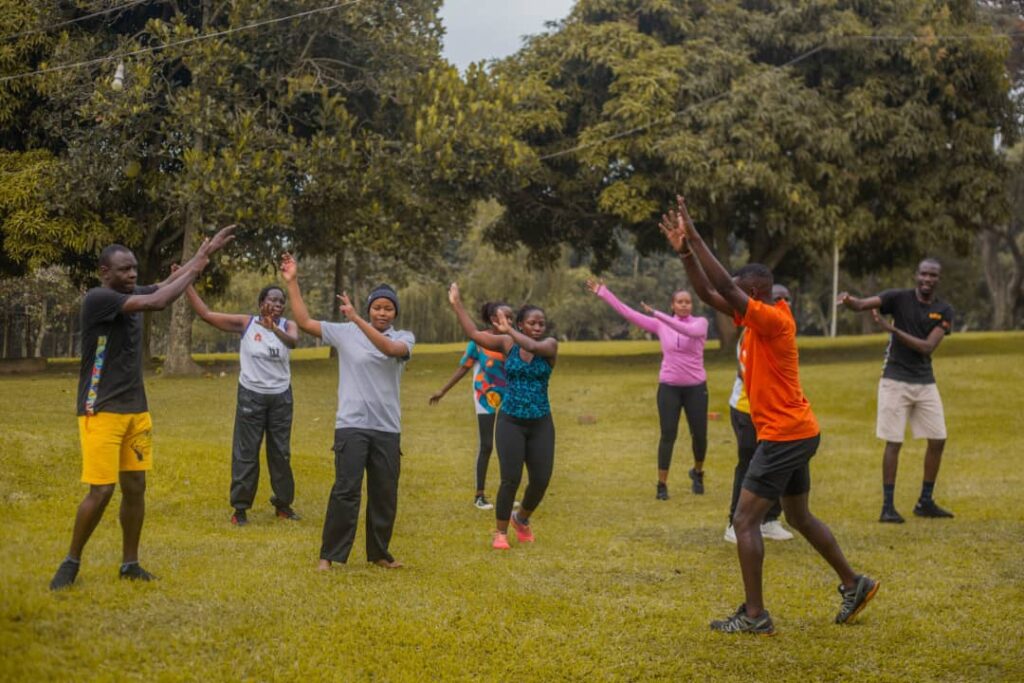
- Community Health Promotion – Advancing preventive healthcare through community outreach, behaviour change, and health education.
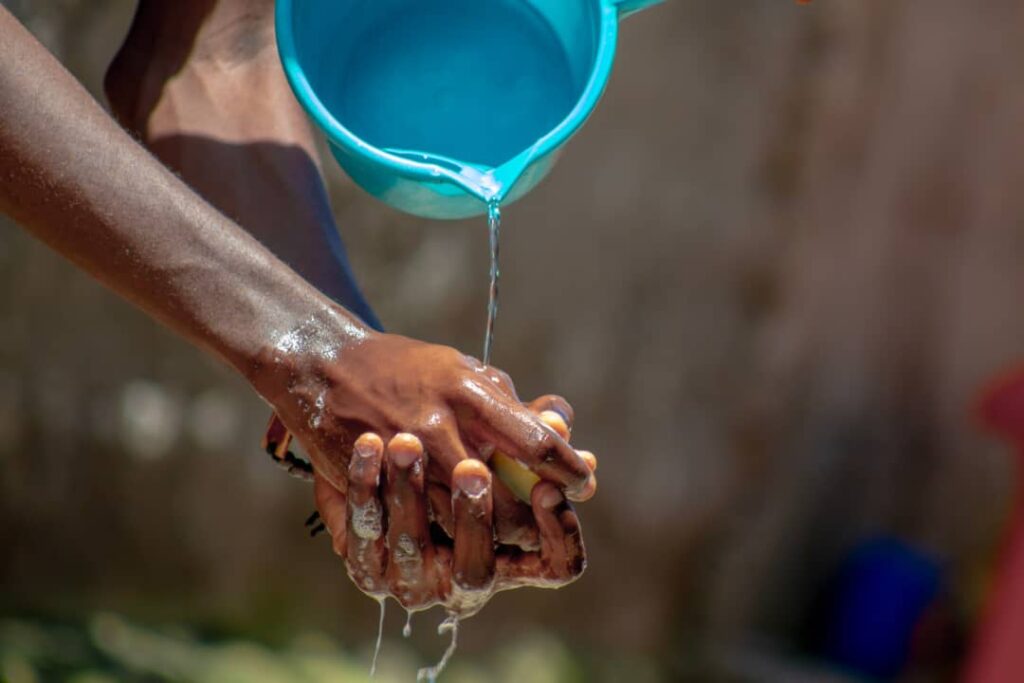
- Water, Sanitation & Hygiene (WASH) – Promoting safe water, sanitation, menstrual hygiene management, and healthy hygiene practices in schools and communities.
- Maternal, Adolescent & Reproductive Health – Improving access to sexual and reproductive health information while promoting menstrual health, adolescent wellbeing, and maternal care.
- Disease Prevention & Health Security – Supporting community action against malaria, HIV/AIDS, communicable diseases, and emerging public health threats.
- Nutrition & Child Well-being – Promoting healthy nutrition practices, child growth, and household food security for healthier families.
- Mental Health & Psychosocial Support – Raising awareness, reducing stigma, and strengthening community support for mental health and emotional wellbeing.
- School Health Programmes – Establishing school health clubs that promote hygiene, nutrition, environmental health, and healthy lifestyles among learners.
- Community Health Leadership – Strengthening the capacity of community health volunteers, youth champions, teachers, and local leaders to drive sustainable health improvements.
- Health Equity & Inclusion – Ensuring women, children, persons with disabilities, and vulnerable populations have equitable access to quality health information and services.
- Climate & Health Resilience – Supporting communities to respond to climate-related health risks, environmental degradation, and disease outbreaks.
500+youth supported
2+sub-regions reached
3+annual forums
10+projects funded
Figures based on programme records.